New Installations
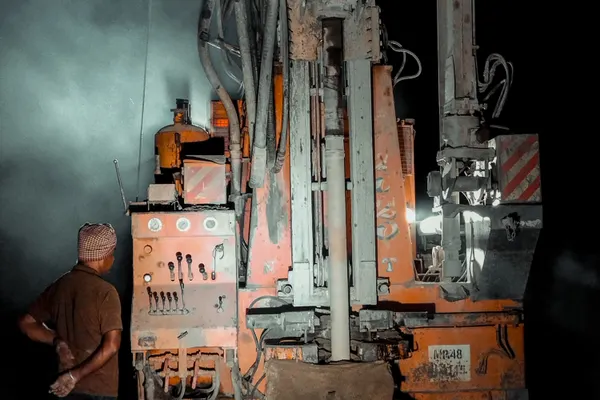
Water Well Drilling
Water well drilling establishes a reliable water source by boring a new hole into the ground. This method ensures optimal depth and placement, tailored to site conditions.
Reliable Well Drilling & Repair Services
Quality water well drilling and repair are vital for dependable water access. Whether you need a new installation or repair on an existing system, understanding your options can ensure smooth service and longevity for your well. Our experienced team is here to guide you through each step of the process.
The right well drilling & repair option depends on the affected area or system, the condition observed and the work required. Review the options below to understand their intended focus without mixing unrelated services.
Water well drilling establishes a reliable water source by boring a new hole into the ground. This method ensures optimal depth and placement, tailored to site conditions.

Repairing existing wells focuses on fixing leaks or failure points, potentially involving component replacements to ensure the system functions effectively.

Residential well drilling creates a tailored solution for homes, considering family size and water usage to determine optimal depth and location for the well.

Commercial well drilling provides water solutions for businesses, requiring considerations for higher flow and quality demands versus standard residential needs.

Deep well drilling addresses cases where standard methods fall short, reaching water sources buried deep underground for reliable access in challenging conditions.

Installing a well pump is vital for circulating water from the well to your home. It involves selecting the correct model based on flow rate and depth.

Repairing well pumps ensures they effectively deliver water. Quick diagnosis can prevent further complications and downtime in water supply service for your property.

Replacing a well pump refreshes your water delivery system, providing options for enhanced performance and reliability in meeting your water needs effectively.

Repairing well casings addresses integrity issues that can affect water quality and access, ensuring the system remains robust and meets safety standards.

Well pipe repairs focus on fixing ruptured or corroded lines, vital for maintaining efficient water transport from the well to your home or business site.

Rehabilitating a well involves cleaning, scrubbing, or physical restoration of the well to restore its original function and flow rate effectively for renewed use.

Deepening an existing well is a strategic option when water levels drop, ensuring continued access by reaching deeper sources while maintaining construction integrity.
When considering well drilling or repairs, evaluate the suitability of your site and the options available. Key decision points include installing a deeper well versus repairing an existing one and assessing access routes. Additionally, think about the materials used in construction, which affect both performance and lifespan.
Assessing the land’s characteristics, like soil type and topography, is crucial to determine the compatibility of different well types.
Evaluate whether to drill a new well, repair an existing one, or alter the current depth based on specific needs.
Check access routes to the drilling site for machinery and materials, especially in residential settings with tight spaces.
Understanding the lifespan of different well components helps in making informed decisions for installation or upgrades.
A clear service process starts with the reported concern, continues through a condition review and defined scope, and ends with a review of completed work and practical follow-up guidance.
Begin with a thorough site assessment to evaluate soil type, water table depth, and accessibility for drilling equipment.
Check local regulations and obtain any required permits for drilling or repairs to ensure compliance before starting the project.
Determine the best location for drilling based on assessment results, considering factors like distance from potential contaminants.
Position and secure drilling machinery to ensure stability and effectiveness throughout the drilling process.
Drill to the determined depth while simultaneously installing casing to maintain the well structure and integrity.
Install the well pump, followed by thorough testing to confirm proper operation and alignment with water needs.
Conduct a final inspection and cleanup of the site, ensuring all equipment is removed and the area is tidy and safe.
Quality well drilling & repair depends on a clear scope, careful preparation, appropriate work practices and communication at each stage. These standards help customers understand what is planned and what follow-up may be appropriate.
Ensuring the right size pump and casing for your well is critical to meet your water needs effectively.
Maintain a neat worksite while ensuring all components are properly installed and functioning as intended.
Provide a step-by-step overview upon project completion, ensuring you're fully informed about your new well system.
Match well drilling & repair to the affected area or system and the symptoms you have observed. Share relevant property details so the request can be reviewed accurately.
The scope can vary with access, materials, condition severity and any inspection or diagnostic findings. Confirm what is included before work begins.
Service availability and final scope depend on the property, access conditions, the observed issue and any inspection or diagnostic findings. Contact the business for current coverage and scheduling details.
Options include new water well drilling, deep well drilling, residential and commercial setups, and existing well repairs, tailored to your specific requirements.
A professional assessment is necessary to evaluate soil, access, and existing water sources to determine suitability for well drilling.
Typically, the process can take a few days, depending on site conditions and the complexity of installation.
Some disruption is expected, especially regarding access, but planning can help minimize inconvenience during the process.
After installation, routine maintenance and testing will be necessary to ensure the system operates optimally and meets water quality standards.
Routine checks on water quality and system components are essential, along with proper documentation of any maintenance or repairs.
Well drilling and repair services are crucial for maintaining safe water access across diverse properties. Factors like site conditions and property dimensions impact how these services can be executed effectively. Our team is equipped to navigate these considerations smoothly.
Contact us today to explore your well options!
18338691684Page reviewed by the Clear Blue Plumbing, LLC team · Last updated November 2026